Choosing the right cookware for one-pan meals is essential to guarantee even cooking and easy cleanup. The right materials, like stainless steel or non-stick, can enhance flavor and save you time. Opting for heavy-duty skillets or dutch ovens helps retain heat and prevents food from sticking. Good heat distribution prevents hot spots, making your cooking easier. Discovering how each type of cookware impacts your meals can elevate your kitchen experience even further.
The Importance of Choosing the Right Cookware for One-Pan Meals

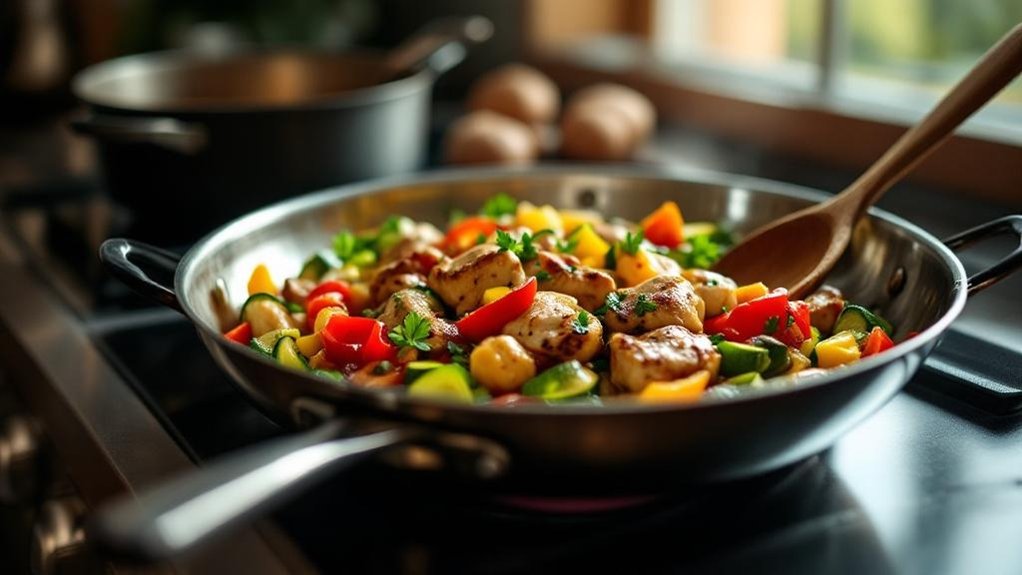
When you’re whipping up one-pan meals, the right cookware can make all the difference. Choosing the right pots and pans guarantees even heat distribution, preventing hot spots that can burn your food. You want materials that withstand high temperatures while being easy to clean. Durable cookware not only enhances flavor but also saves you time and effort in the kitchen. Handling different ingredients without worrying about sticking or uneven cooking is essential. Plus, good cookware can elevate your culinary skills, allowing you to experiment with various recipes confidently. Investing in quality pieces will pay off in the long run, making your one-pan cooking experience enjoyable and successful. So, take your time and choose wisely for delicious results!
Types of Cookware Ideal for One-Pan Cooking
Choosing the right type of cookware can considerably enhance your one-pan cooking experience. For versatile meals, a heavy-duty skillet or sauté pan is perfect. They distribute heat evenly, allowing your ingredients to cook uniformly. If you’re making stews or casseroles, opt for a Dutch oven. Its thick walls retain heat well, ensuring everything cooks thoroughly. For something lighter, consider a non-stick pan, which makes cleanup a breeze and prevents food from sticking. If you love baking, a large, oven-safe frying pan can shift from stovetop to oven seamlessly. Finally, a wok can add a unique twist, perfect for stir-fries. By selecting the right cookware, you’ll streamline your cooking process and enjoy delicious, hassle-free meals.
How Different Materials Impact Cooking Performance and Flavor

The material of your cookware plays a significant role in both cooking performance and flavor. For instance, stainless steel heats evenly, allowing you to achieve a perfect sear on meats, while cast iron retains heat exceptionally well, enhancing the depth of flavors in your dishes. If you prefer a quicker cooking process, aluminum is a great choice due to its excellent heat conductivity. However, be cautious, as it can react with acidic foods, potentially altering their taste. On the other hand, ceramic provides a non-reactive surface that helps preserve flavors, making it ideal for one-pan meals. Ultimately, choosing the right material can elevate your cooking experience and guarantee every meal bursts with deliciousness.
Comparing Non-Stick and Stainless Steel Cookware for One-Pan Meals
Which type of cookware best suits your one-pan meal needs: non-stick or stainless steel? Non-stick cookware is great for easy clean-up and prevents food from sticking, making it ideal for delicate items like eggs or fish. It requires less oil, promoting healthier cooking. However, it can be less durable and may not withstand high heat as well as stainless steel.
On the other hand, stainless steel cookware offers durability and versatility. It’s perfect for browning meats and can handle higher temperatures, allowing for better flavor development. While it might require more oil to prevent sticking, it’s a long-lasting investment. Ultimately, your choice depends on your cooking style and preferences, whether you prioritize convenience or versatility.
Why Heat Distribution Matters for Your One-Pan Meals?

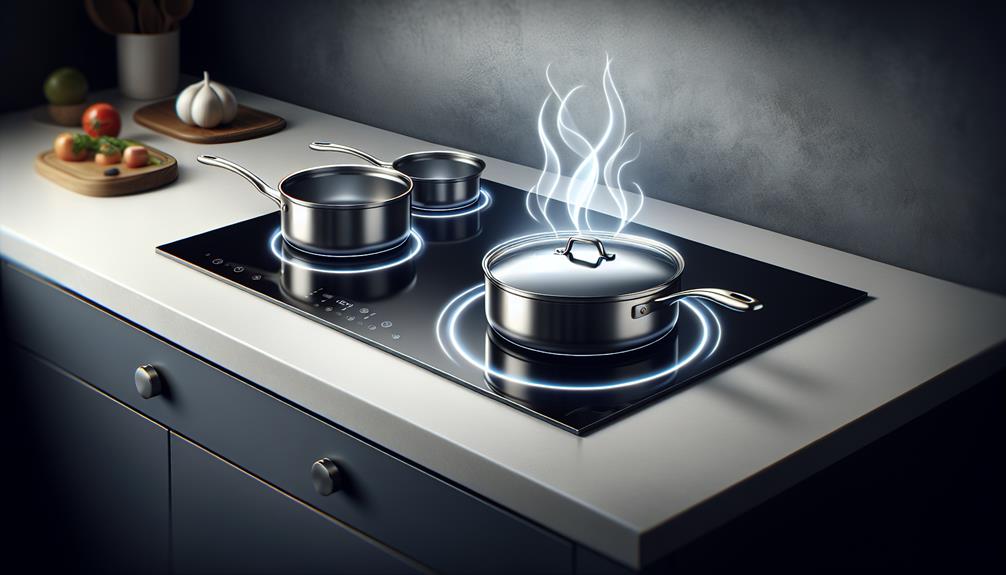
When you’re cooking one-pan meals, effective heat distribution is essential for achieving consistent results. Uneven heat can lead to some ingredients being overcooked while others remain undercooked, ruining your dish. Good cookware spreads heat evenly across its surface, ensuring that every ingredient cooks at the same rate. This is especially important for proteins and vegetables that require precise cooking times. If you’re using a pan that retains hot spots, you might end up with burnt sections or raw bits, which isn’t what you want. Investing in high-quality cookware with excellent heat conduction not only enhances your cooking experience but also elevates the flavors and textures of your meals, making each one-pan dish a delight to savor.
Choosing Cookware With Easy-Clean Features
Choosing cookware with easy-clean features can save you time and effort in the kitchen, allowing you to focus more on cooking and less on scrubbing. Look for non-stick surfaces or ceramic coatings that prevent food from sticking, making cleanup a breeze. Stainless steel with a polished finish can also be a great option, as it often wipes clean easily. Additionally, consider dishwasher-safe cookware, which lets you toss your pots and pans in without a second thought. When selecting your one-pan meal cookware, prioritize pieces designed for simple maintenance, so you can enjoy your culinary creations without dreading the cleanup afterward. The right easy-clean features can transform your cooking experience into a more enjoyable and efficient process.
Long-Term Benefits of Quality Cookware for One-Pan Meals

Investing in quality cookware for one-pan meals can greatly enhance your cooking experience over time. When you use durable materials, you’ll notice improved heat distribution, which means your food cooks more evenly and tastes better. Quality cookware also stands up to daily use, reducing the need for frequent replacements. This longevity not only saves you money but also minimizes waste, making it a more sustainable choice. Plus, non-stick surfaces in high-quality pans make for easier food release and cleanup, allowing you to enjoy your meals without the hassle. Ultimately, choosing the right cookware leads to better meals, less frustration, and a more enjoyable cooking journey, making it a smart investment for your kitchen.
Size Considerations for One-Pan Cookware
Quality cookware sets the stage for successful one-pan meals, but size plays a significant role in your cooking experience. When choosing your pan, consider the portion sizes you typically cook. A larger pan allows for bigger meals, making it perfect for family gatherings or meal prep. On the other hand, if you’re cooking for one or two, a smaller pan might suit you better, helping to prevent overcrowding and ensuring even cooking. Don’t forget about your stove space, too; a pan that’s too big can be cumbersome. Ultimately, the right size enhances flavor development and makes cleanup easier. By evaluating your cooking habits and needs, you’ll choose cookware that truly fits your lifestyle.
Frequently Asked Questions
Can I Use My Existing Cookware for One-Pan Meals?
Yes, you can use your existing cookware for one-pan meals. Just verify it’s oven-safe and has a non-stick surface for easier cleanup. With the right technique, you’ll create delicious, hassle-free meals in no time.
How Do I Properly Maintain My One-Pan Cookware?
You won’t ruin your cookware if you maintain it right. Clean it after each use, avoid metal utensils, and regularly check for scratches. Store it properly to guarantee it lasts for countless delicious one-pan meals.
What Is the Best Way to Store My Cookware?
Store your cookware in a cool, dry place. Use protective liners to prevent scratches, stack pots and pans carefully, and hang skillets if possible. This way, you’ll keep your cookware in great shape longer.
Are There Specific Brands Recommended for One-Pan Cooking?
Yes, brands like T-fal, All-Clad, and Cuisinart are great for one-pan cooking. Their non-stick surfaces and even heat distribution make it easier for you to create delicious meals without the hassle of sticking or burning.
Can I Use Metal Utensils With Non-Stick Cookware?
You can’t use metal utensils with non-stick cookware if you want to keep it in good shape. Studies show that 70% of non-stick users experience scratches, so opt for silicone or wooden utensils instead.
At a Glance
In the grand symphony of cooking, the right cookware is your maestro, guiding your one-pan meals to perfection. Choosing wisely can transform a simple dish into a culinary masterpiece, letting flavors dance together in harmony. With every sizzle and pop, you’ll savor not just the meal, but the joy of effortless cleanup and long-lasting quality. So, equip yourself with the best, and let your kitchen creations sing! After all, delicious meals are just a pan away.