Selecting the right cutting board can greatly improve your cooking experience. Consider options like wood for durability and aesthetics, plastic for easy cleaning, or bamboo for eco-friendliness. Each type has its pros and cons, so think about your cooking habits and maintenance preferences. Don’t forget that proper care can extend your cutting board’s lifespan. Stick around to explore more about choosing the perfect size, thickness, and tips for ensuring cutting board safety.
Why Choosing the Right Cutting Board Matters for Your Cooking Experience

When you pick the right cutting board, it can transform your cooking experience. A suitable board enhances your efficiency, making prep work smoother and more enjoyable. You’ll find that having the right surface not only protects your knives but also helps maintain cleanliness in your kitchen. The material’s texture can affect how easily food slides off, so you’ll want to choose one that suits your cutting style. A well-chosen cutting board can also elevate your food presentation, turning simple dishes into culinary delights. Plus, you’ll appreciate the durability that comes with selecting the right board, as it can withstand frequent use. Ultimately, the right cutting board is an essential tool that impacts both your cooking process and the quality of your meals.
Types of Cutting Boards: Wood, Plastic, and Bamboo Explained
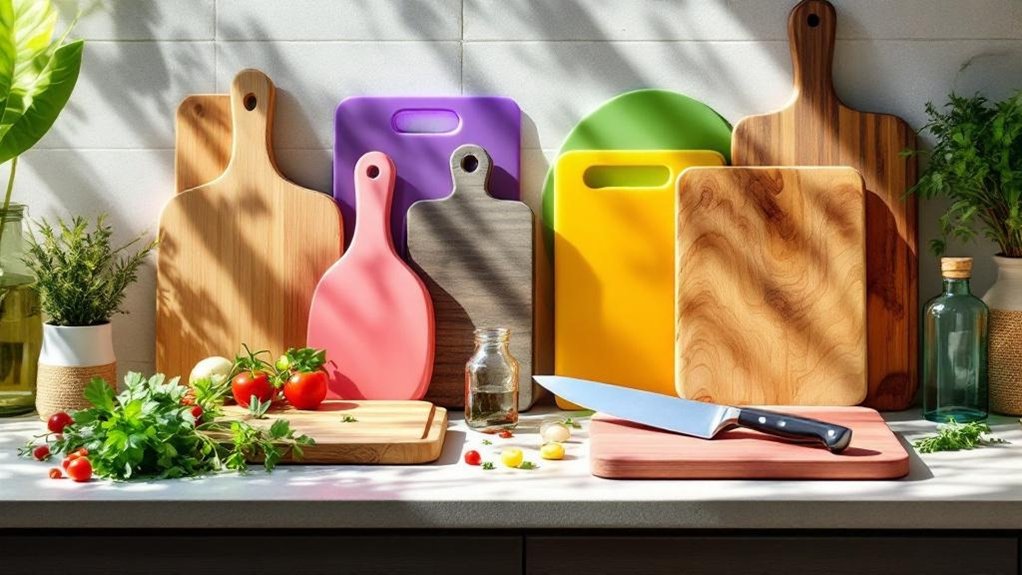
Choosing the right cutting board involves understanding the different materials available, as each type brings its own set of benefits and drawbacks. Here’s a quick overview of wood, plastic, and bamboo:
- Wood: Offers natural antimicrobial properties and is gentle on knives, but requires regular maintenance.
- Plastic: Lightweight and dishwasher-safe, making it easy to clean; however, it can scar more easily than wood.
- Bamboo: Eco-friendly and durable, it’s harder than wood, which might dull your knives over time.
- Composite: A blend of materials that combines the benefits of wood and plastic, providing durability and ease of cleaning.
Each option has its unique features, so consider your cooking habits and maintenance preferences before making a choice.
Pros and Cons of Wood Cutting Boards for Your Kitchen
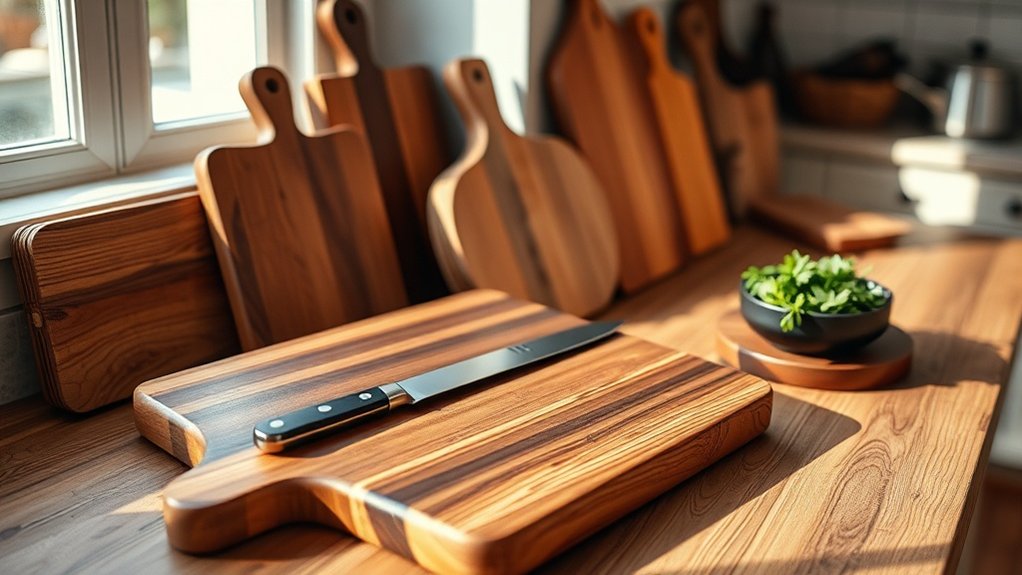
While wood cutting boards can elevate your kitchen experience, they come with both advantages and disadvantages. On the plus side, wood boards are durable and can withstand heavy use, plus they’re gentle on your knives, helping them stay sharp longer. They also have a natural aesthetic that adds warmth to your kitchen. However, wood cutting boards require more maintenance; you’ll need to oil them regularly to prevent cracking and warping. They’re also more susceptible to absorbing moisture and odors, which could lead to bacterial growth if not properly cleaned. Additionally, wood boards can be heavier and pricier compared to other materials. Weighing these pros and cons will help you decide if a wood cutting board fits your cooking style and needs.
Pros and Cons of Plastic Cutting Boards: What You Need to Know
Plastic cutting boards are a popular choice in many kitchens, thanks to their practicality and affordability. However, they come with both advantages and drawbacks. Here’s what you need to know:
- Easy to Clean: You can toss them in the dishwasher, making cleanup a breeze.
- Non-porous Surface: They resist bacteria and odors better than wood.
- Lightweight: Easy to handle and store, perfect for busy kitchens.
- Cost-effective: Generally cheaper than wood or bamboo options.
On the downside, plastic boards can develop deep scratches over time, which might harbor bacteria. They also don’t offer the same aesthetic appeal as wooden boards. Assess your needs and preferences to determine if plastic cutting boards are the right fit for you.
Pros and Cons of Bamboo Cutting Boards: Is It Right for You?
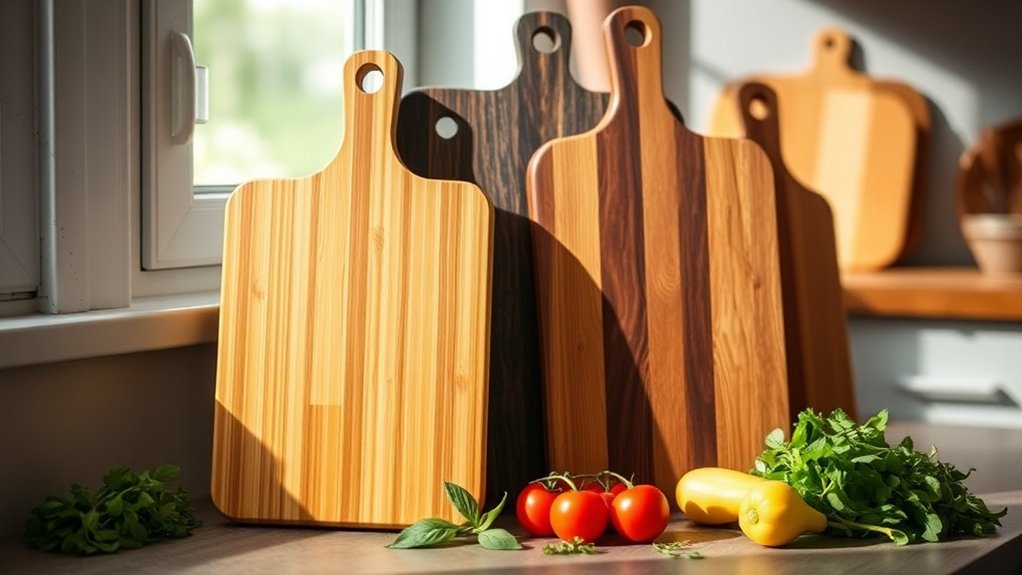
Are you considering bamboo cutting boards for your kitchen? Bamboo boards are eco-friendly, made from a rapidly renewable resource, which makes them a sustainable choice. They’re lightweight and less porous than wood, helping resist bacteria and odors. However, they can be prone to knife marks, which may affect their longevity. Bamboo cutting boards are also harder than traditional wood, potentially dulling your knives faster. Plus, they can be sensitive to moisture, so they need proper care. If you prioritize sustainability and don’t mind some maintenance, bamboo might be right for you. But if you prefer a softer surface that’s easier on your knives, you may want to explore other materials. Choose wisely for your kitchen’s needs!
Essential Tips for Maintaining Your Cutting Board’s Longevity
Maintaining your cutting board’s longevity is essential for keeping it in top shape and ensuring food safety. Follow these tips to care for your board effectively:
- Clean Regularly: Wash your board with hot, soapy water after each use. Avoid soaking it to prevent warping.
- Dry Properly: Always dry your cutting board immediately with a clean towel, and store it upright to allow airflow.
- Oil Periodically: Use food-safe mineral oil to nourish wooden boards every month, preventing cracking and drying.
- Avoid Harsh Chemicals: Steer clear of bleach or strong detergents, as they can damage the surface and compromise safety.
How to Choose the Right Size and Thickness for Your Cutting Board
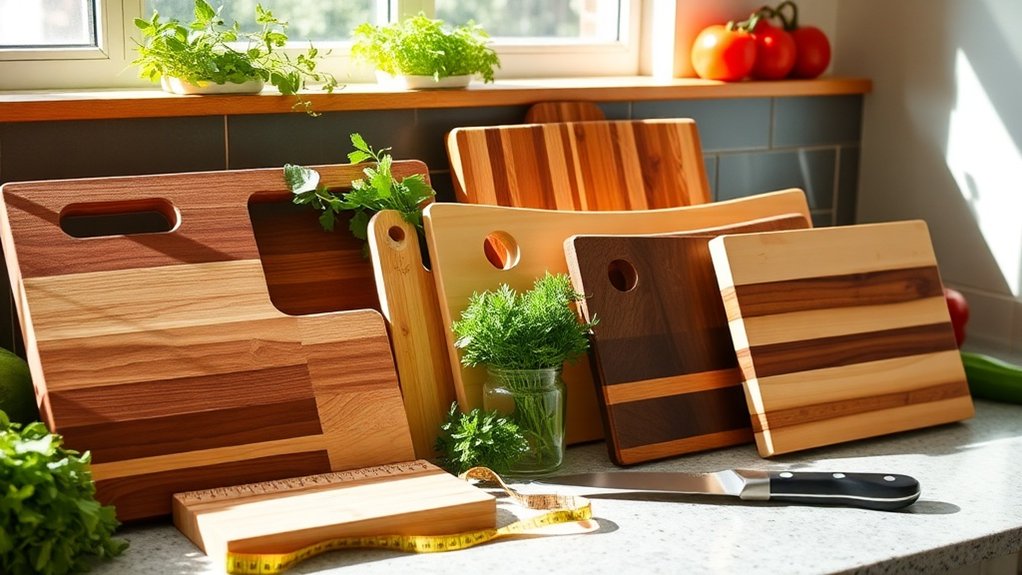
Choosing the right size and thickness for your cutting board is essential for both functionality and safety in the kitchen. Start by considering your kitchen space and the types of food you typically prepare. A larger board offers more room for chopping vegetables or slicing meats, while a smaller one can be more manageable for quick tasks.
For thickness, opt for boards that are at least half an inch thick; this provides durability and stability while you work. Thicker boards resist warping and can handle heavier knives. Remember, if you’re frequently using your board for different tasks, having multiple sizes can be beneficial. Ultimately, select a size and thickness that suits your cooking style and makes you feel comfortable while preparing meals.
Best Practices to Ensure Cutting Board Safety
Once you’ve selected the right size and thickness for your cutting board, the next step is guaranteeing its safety during use. By following these best practices, you can minimize risks and keep your kitchen safe:
- Clean regularly: Wash your cutting board with hot, soapy water after each use to eliminate bacteria.
- Use separate boards: Designate one board for raw meats and another for fruits and vegetables to avoid cross-contamination.
- Inspect for damage: Regularly check your board for deep grooves or cracks, as these can harbor bacteria.
- Store properly: Keep your cutting board in a dry, well-ventilated area to prevent moisture buildup and mold growth.
Adhering to these guidelines helps guarantee a safe and sanitary cooking environment.
Signs It’s Time to Replace Your Cutting Board?
How can you tell when it’s time to say goodbye to your cutting board? Look for deep grooves or cracks where bacteria can hide. If your board has persistent odors that won’t wash away, it’s a sign it’s time for a replacement. Stains that remain after cleaning can also indicate wear, affecting both aesthetics and hygiene. For plastic boards, if they warp or become discolored, it’s time to toss them. Wooden boards can splinter, posing a risk while you’re chopping. Finally, if your board no longer feels stable during use, it’s best to replace it. Keeping your kitchen tools in top shape is essential for food safety and overall cooking enjoyment. Don’t wait too long—replace it when necessary!
Frequently Asked Questions
Can I Use the Same Cutting Board for Meats and Vegetables?
You shouldn’t use the same cutting board for meats and vegetables. Cross-contamination can occur, leading to foodborne illnesses. It’s best to have separate boards to guarantee safety and maintain the quality of your food.
How Often Should I Clean My Cutting Board?
You should clean your cutting board after every use, especially when switching between different foods. Regularly sanitize it with hot, soapy water or a vinegar solution to prevent bacteria buildup and maintain food safety.
Do Cutting Boards Have an Expiration Date?
Cutting boards don’t have a strict expiration date, but they can wear out over time. If you notice deep grooves, cracks, or persistent odors, it’s time to replace yours for safety and hygiene.
What Is the Best Way to Store Cutting Boards?
To keep your cutting boards in tip-top shape, store ’em upright in a cabinet or on a rack. Avoid stacking, as it can trap moisture. Wipe ’em down regularly to maintain cleanliness and longevity!
Are There Specific Cutting Boards for Specific Food Types?
Yes, there are specific cutting boards for different food types. For example, use plastic boards for meats to prevent bacteria transfer, while wooden boards work well for vegetables and fruits. Each material serves unique purposes effectively.
At a Glance
Choosing the right cutting board can truly elevate your cooking experience. Did you know that a study found wooden cutting boards can reduce bacteria by 99.9% after just a few minutes? By selecting the right material and maintaining it properly, you not only enhance your culinary skills but also guarantee food safety in your kitchen. Remember, investing in a quality cutting board pays off in both flavor and hygiene, making it an essential tool for every home chef.